

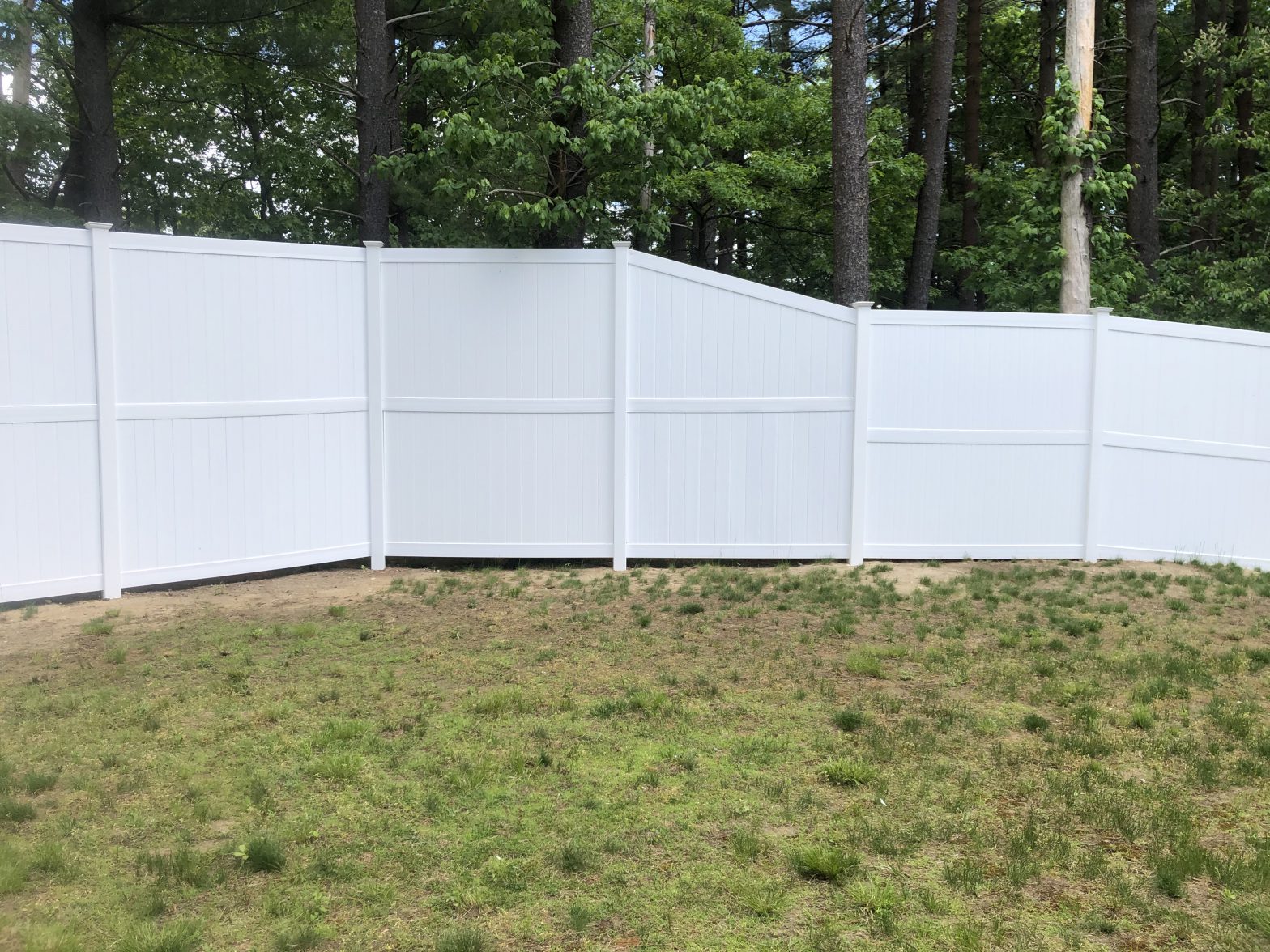
Winter in Gary, IN can be tough on outdoor structures. Freezing temperatures, snow buildup, and repeated freeze thaw cycles often raise concerns for homeowners with vinyl fencing. A common question we hear is whether vinyl fences crack during winter and what can be done to prevent it.
The short answer is that quality vinyl fencing is designed to handle cold weather, but cracking can occur under certain conditions. This guide explains why winter damage happens, what signs to watch for, and how Gary homeowners can protect their vinyl fences year after year.
Key Takeaways
- Vinyl fences can crack in winter, but it is usually due to impact, poor installation, or low quality materials
- Cold temperatures make vinyl less flexible, increasing the risk of damage from stress or impact
- Freeze thaw cycles in Gary can shift fence posts if they are not set properly
- Most winter related vinyl fence damage is preventable with the right materials and installation
- Early inspection helps catch problems before they worsen
Can Vinyl Fences Crack in Cold Weather?
Vinyl fencing is engineered to withstand a wide range of temperatures, including freezing conditions common in Northwest Indiana. However, all materials behave differently in cold weather. Vinyl becomes less flexible as temperatures drop, which means it is more vulnerable to cracking if it is struck or placed under stress.
It is important to understand that cold alone rarely causes vinyl to crack. Problems usually occur when cold temperatures combine with other factors such as impact, ground movement, or poor installation.
Common Causes of Vinyl Fence Cracks in Gary Winters
Most winter damage is not random. It can usually be traced back to one or more specific causes.
Impact damage is one of the most common issues. Snow shovels, snow blowers, falling ice, or even compacted snow pushed against panels can crack vinyl when it is cold and rigid.
Improper post installation is another major factor. If fence posts are not set deep enough below the local frost line, freeze thaw cycles can cause posts to shift. This movement puts stress on panels and joints, increasing the risk of cracking.
Low quality or thin vinyl panels are also more likely to fail in winter. Budget vinyl products may not be designed for colder climates and can become brittle more easily.
Poor alignment during installation can create stress points. When panels are forced into position or installed too tightly, temperature changes can cause cracking over time.
How Freeze Thaw Cycles Affect Fence Posts and Panels
Gary experiences frequent freeze thaw cycles during winter and early spring. As the ground freezes, it expands. When it thaws, it contracts. This movement can shift fence posts that are not properly anchored.
When posts move, panels are forced to flex or absorb stress. Over time, this stress can lead to cracks, separated panels, or leaning sections of fence. Proper post depth and spacing are critical for preventing this type of damage.
Signs Your Vinyl Fence Is at Risk of Winter Damage
Catching issues early can prevent more serious problems later. Watch for these warning signs during or after winter.
Hairline cracks or small splits in panels
Gaps forming between panels or rails
Leaning or loose fence posts
Gates that no longer open or close smoothly
If you notice any of these issues, it is best to address them before they worsen.
How to Prevent Vinyl Fence Cracking in Gary, IN
Prevention starts with choosing the right materials. High quality vinyl fencing designed for cold weather performs much better in winter conditions.
Proper installation is just as important. Posts should be set below the local frost depth to minimize movement. Panels should be installed with enough tolerance to handle temperature changes without stress.
During winter, avoid hitting fences when shoveling snow or using snow removal equipment. Do not force gates open if they are frozen. Clear heavy snow buildup carefully to reduce pressure on panels.
A professional inspection before or after winter can identify weak points and prevent costly repairs.
Local Winter Considerations for Gary Homeowners
Gary’s location near Lake Michigan means heavier snow, higher moisture levels, and more frequent freeze thaw cycles than many inland areas. Fences near driveways, sidewalks, or streets are especially vulnerable to winter damage due to snow removal activity and road spray.
Understanding these local conditions helps homeowners make better decisions about materials, installation methods, and seasonal care.
Final Thoughts on Vinyl Fence Performance in Winter
Vinyl fences do not automatically crack just because winter arrives. In most cases, cracking is the result of impact, installation issues, or low quality materials rather than cold temperatures alone. With the right product and proper installation, vinyl fencing remains a reliable and long lasting option for Gary homeowners.
If you are concerned about winter damage or planning a new fence, working with a local expert makes a difference. LeLaren Fence Company provides professional vinyl fence installation, inspections, and repairs tailored to the winter conditions in Gary.
To learn more, visit our Vinyl Fence Installation in Gary, IN service page or contact LeLaren Fence Company to request an inspection or estimate and ensure your fence is ready for the seasons ahead.