

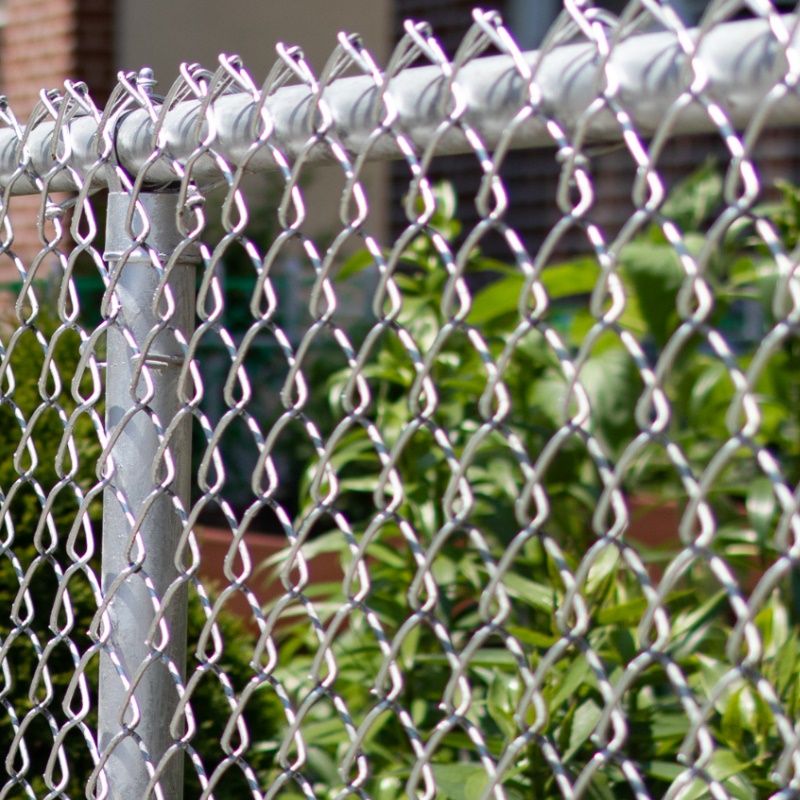
When homeowners plan a chain link fence, most of the attention usually goes to the fence line itself. They think about the perimeter, the material, the height, and maybe the finish. But one of the parts that affects daily life the most is often treated like a small detail: the gate.
That is usually where frustration shows up later.
A gate that is too narrow, poorly placed, awkward to swing, or inconvenient to use can make a fence feel less functional every single day. On the other hand, a well-planned gate can make backyard access easier, improve movement through the property, and make the whole fence feel like it was designed around how the yard is actually used.
If you are planning a chain link fence in Northwest Indiana, here are the small gate decisions that can make a much bigger difference than most homeowners expect.
Why Gate Planning Matters More Than Most Homeowners Think
A gate is not just an opening in the fence. It is the part of the system people use over and over again.
That means it affects:
- how you enter and exit the yard
- how pets move in and out
- how kids use the space
- how lawn equipment gets through
- how trash bins or outdoor items are moved
- how convenient the entire fenced area feels
A fence can be built well overall and still become annoying if the gate does not fit the routine of the household. That is why gate planning should be part of the early layout discussion, not an afterthought added once the fence line is already decided.
Start With How You Actually Use the Yard
The best gate plan usually starts with one simple question: how do you really use the yard every day?
That matters more than choosing a gate based on what looks standard.
Think about things like:
- Do you usually enter the yard from the house or from the driveway?
- Do kids use the same path every day?
- Does the dog go out through one side of the yard regularly?
- Do you need to move a mower, wheelbarrow, or other equipment through the gate?
- Do you need direct access to a side yard, backyard, or utility area?
- Will one gate handle everything, or would two access points work better?
A chain link gate works best when it is planned around the natural traffic pattern of the property. If the gate is placed where people already move, it feels convenient. If it is placed where it merely fits on paper, it often becomes a daily inconvenience.
Gate Placement Is Usually More Important Than Gate Style
Homeowners sometimes spend too much time thinking about the type of gate and not enough time thinking about where it should go.
Placement is usually the bigger issue.
A gate should support the way people move through the property, not interrupt it. The wrong location can turn a simple entry point into something awkward and frustrating.
For example, a gate may be a poor fit if it:
- forces people to take a longer route than they use naturally
- opens into a cramped corner
- sits too far from the patio, driveway, or house
- creates a direct escape point for pets near a high-activity area
- lands in a muddy or heavily worn path
- interrupts a play area or gathering space
The best placement is often the one that feels most natural during normal use, not the one that seems easiest to install.
Bad placement creates daily friction
This is the part many homeowners only notice after the fence is finished.
A poorly placed gate may mean carrying yard tools farther than necessary, walking around the house instead of through the most direct access point, or constantly opening a gate into the wrong part of the yard. Small inconveniences become repetitive very quickly when the gate is used every day.
Choosing the Right Gate Width Changes How the Fence Functions
Width is one of the most important gate decisions because it directly affects what can move through the opening.
A gate that is too narrow may seem fine until the homeowner tries to move a mower, garden cart, trash bin, or larger item through it. A gate that is oversized for no reason can also feel less efficient or visually awkward.
The right width depends on the purpose of the gate.
A smaller walk gate often makes sense when the opening is mainly for daily foot traffic. A wider gate may be needed when the homeowner expects to move yard equipment or larger items in and out regularly. In some properties, a double gate may make sense for broader access.
The key is planning for actual use instead of guessing.
Swing Direction and Clearance Matter More Than They Seem
A gate may fit physically and still feel inconvenient once it starts being used.
That often happens because swing direction and clearance were not considered carefully enough.
A gate should open in a way that works with the layout of the space. If it swings into a tight path, into landscaping, into stored items, or into a part of the yard that needs to stay open, it becomes harder to use than it should be.
This matters even more when dealing with:
- narrow side yards
- sloped ground
- patios or walkways
- utility areas
- pet spaces
- gates used frequently during daily routines
A swing decision that feels minor during planning can become one of the most noticeable problems after installation.
Latch Location and Ease of Use Affect Daily Convenience
Not every gate problem is about size or placement. Sometimes the issue is how the gate feels every time someone uses it.
The latch matters more than many homeowners expect.
A latch should be easy to reach, easy to operate, and reliable for the people actually using the gate. That may sound basic, but everyday usability matters a lot when the gate is opened frequently.
This becomes especially important when:
- adults often use the gate with one hand full
- kids regularly pass through the yard
- pets are quick near the opening
- the gate is used multiple times per day
- the homeowner wants something secure but still practical
A gate that is technically secure but awkward to use can still become a source of frustration.
When One Gate Is Not Enough
Some fence layouts are planned around a single gate simply because that feels standard. But on many properties, one gate is not the most practical solution.
A second gate can make sense when the yard has more than one type of use.
For example, one gate may be ideal for daily foot traffic near the house, while another may work better for yard equipment, rear access, or a side-yard route. On larger lots, a single gate can create unnecessary extra walking or limit how efficiently the property functions.
Multiple gates may make sense when:
- one access point is used by people every day
- another is needed for mowing or equipment
- the side yard and backyard serve different purposes
- pets need one controlled route and equipment needs another
- the property is large enough that one gate feels impractical
The goal is not adding gates just because you can. It is making sure the fence works well for how the property is actually used.
Common Chain Link Gate Planning Mistakes
Many gate frustrations come from the same planning mistakes.
One of the most common is planning the gate around installation convenience instead of long-term use. Another is choosing size based on assumption instead of what really needs to pass through the opening.
Other common mistakes include:
- putting the gate where it fits instead of where it functions best
- forgetting about mower or equipment access
- ignoring how pets may move near the opening
- overlooking swing clearance
- placing the gate in a muddy or awkward traffic area
- assuming one gate will be enough for every use
- treating the gate like a minor detail instead of a major part of the layout
These are the kinds of issues that do not always seem serious during planning, but become very obvious after the fence is installed.
How Gate Planning Changes on Side Yards, Pet Areas, and Large Lots
Not every property uses gates the same way.
In a side yard, the main concern is often compact, efficient access. The gate needs to work in a narrower space without making movement awkward.
In a pet area, the priority may be containment and security. That means gate placement and latch reliability matter more because pets tend to test routines and openings.
On a large lot, access points often need more planning because the homeowner may not want to rely on one distant gate for every type of use. A larger property often benefits from more strategic access.
This is why the best gate layout is not based on one rule. It depends on how that part of the yard functions.
What Northwest Indiana Homeowners Should Think About Before Finalizing a Gate Layout
Before settling on a final chain link gate plan, homeowners should step back and think beyond installation day.
Ask practical questions like:
- Where will this gate be used most often?
- Who will use it every day?
- Will it need to accommodate pets, kids, equipment, or all three?
- Does the swing direction still make sense in wet, snowy, or muddy conditions?
- Is the width realistic for what needs to pass through?
- Would the property function better with a second gate?
- Will this layout still feel convenient a year from now?
For many homeowners in Northwest Indiana, the best gate plan is the one that feels natural in all seasons, not just the one that looks acceptable on a simple sketch.
Final Thoughts on Chain Link Fence Gate Planning
A chain link fence gate may seem like a small part of the project, but it has an outsized effect on how the fence works every day.
Placement, width, swing direction, latch convenience, and the number of access points all shape how easy the yard is to use. These decisions may seem minor during planning, but they are often the ones homeowners notice most once the fence becomes part of daily life.
A well-planned gate makes a chain link fence feel more practical, more intuitive, and more useful from the first day forward.
Need Help Planning the Right Chain Link Gate Layout?
If you are installing a chain link fence and want the gate layout to work well for pets, backyard access, daily movement, and long-term convenience, LeLaren Fence Company can help you plan the right setup before installation begins.
We work with homeowners across Northwest Indiana to design fencing that fits the way each property is actually used, including smarter gate placement, access planning, and practical fence layouts that support everyday life.
If you want a chain link fence that feels easier to use from day one, contact LeLaren Fence Company to discuss the right gate plan for your property.