

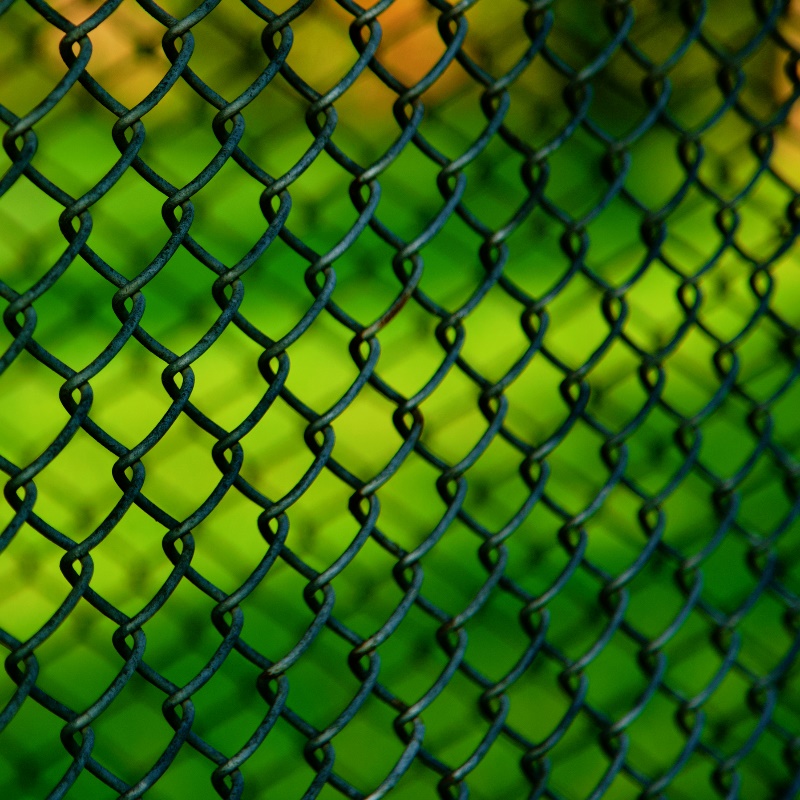
For many homeowners in Lake Station, IN, the goal of a backyard fence is simple: create a space that feels safer, easier to manage, and more practical for everyday life. That often means making room for dogs to run, children to play, or both at the same time.
A chain link fence can be a smart option for that kind of yard. It offers visibility, dependable containment, and a practical way to enclose space without the higher cost of some other materials. But before installing chain link around pets and play areas, it helps to think beyond the material itself.
The details matter. Fence height, bottom clearance, gate placement, and the way the yard is actually used can all affect whether the finished fence makes life easier or creates ongoing frustration. If you are planning a backyard fence in Lake Station, here is what to consider before moving forward.
Why Chain Link Is Often a Practical Choice for Pets and Play Areas
Chain link remains a popular residential fencing option for a reason. It works especially well when the goal is safety, supervision, and day-to-day function.
For homes with pets and children, chain link often makes sense because it helps homeowners:
- create a secure boundary
- keep dogs contained
- define a safe play space
- maintain clear visibility across the yard
- fence larger areas more affordably
- separate active parts of the property without closing everything off
That visibility is one of the biggest advantages. Unlike a solid privacy fence, chain link allows parents and homeowners to keep an eye on kids and pets while they are outside. In many backyards, that open view is more useful than total screening.
Start With How the Space Will Actually Be Used
Before choosing fence height, layout, or gate placement, it helps to step back and think about what the fenced area needs to do every day.
A yard used by one calm dog may need something very different from a yard used by multiple dogs, young children, and constant foot traffic. Some homeowners want to fence the full backyard. Others only need to secure one section for a dog run or play area.
Ask practical questions first:
- Will this fence be for pets, children, or both?
- Will the whole yard be enclosed, or only one section?
- Does the space need to stay open and visible?
- Will the area be used daily or only occasionally?
- Do you need one gate or multiple access points?
- Will pets and play share the same area, or should they be separated?
The more clearly you define the yard’s purpose, the easier it is to choose a chain link fence layout that actually works.
Fence Height Matters More Than Many Homeowners Expect
One of the most common mistakes homeowners make is choosing fence height too casually.
For pet areas, height should be based on behavior, not assumption. A small dog with a habit of squeezing through openings presents one kind of challenge. A larger athletic dog that jumps, climbs, or pushes against boundaries presents another.
For play areas, height matters too, especially if the goal is clearly defining a safe space and keeping children away from driveways, side yards, or neighboring properties.
The right fence height should reflect:
- pet size
- jumping ability
- energy level
- how the yard is used
- whether the fence is for full containment or simple boundary definition
A chain link fence that is too low may not create the level of security the homeowner expected. It is much better to think through this at the planning stage than after installation.
Pay Attention to Bottom Clearance and Escape Risks
For pets, what happens at the bottom of the fence can matter just as much as the height.
Some dogs dig. Others test corners, push at low spots, or find small gaps near grade changes. Even a fence that looks secure at first glance can become a problem if there is too much clearance underneath.
This is especially important in yards with:
- uneven grade
- sloped sections
- soft soil
- corner transitions
- areas where runoff affects the ground line
Homeowners in Lake Station should pay close attention to where the fence meets the ground and whether the layout leaves weak points for small or determined pets.
If the goal is true containment, the fence should be planned with those risks in mind from the start.
Gate Placement Can Make the Yard Safer or More Frustrating
A gate is one of the most frequently used parts of any backyard fence, which means poor gate planning quickly becomes an everyday problem.
When installing chain link around pets and play areas, think about how people will move through the space. A gate should not just fit the fence. It should fit the routine of the household.
That includes thinking about:
- access from the house to the yard
- where kids typically enter and exit
- how dogs move through the space
- whether lawn equipment needs access
- whether one gate is enough
- how close the gate is to high-activity zones
A poorly placed gate can interrupt play, create traffic problems, or make it easier for pets to dart out when someone enters the yard. A well-placed gate makes the space feel easier and safer to use every day.
Visibility Is One of Chain Link’s Biggest Advantages for Families
For many families, one of the biggest reasons to choose chain link is not just cost or durability. It is visibility.
A chain link fence allows homeowners to:
- see children from the patio or deck
- monitor pets across the yard
- keep sightlines open
- create a safer backyard without making it feel closed in
- define the space without losing awareness of what is happening outside
This is especially useful when a backyard needs to serve multiple purposes at once. A family may want a place for kids to play, dogs to move around safely, and adults to supervise without feeling cut off from the yard.
In those situations, chain link can offer a better balance of security and openness than a fully solid fence.
It May Help to Separate Pet Areas From Main Play Areas
Not every yard needs one fenced space that does everything.
In some cases, the best solution is to create separate zones. That might mean a main backyard area for family use and a separate side-yard or rear-yard section for dogs. It might also mean fencing one area for more active use while keeping another area more open.
This can be especially helpful when:
- dogs are high-energy
- children use play equipment in one section of the yard
- muddy areas need to be separated
- one part of the yard gets much heavier use than another
- the homeowner wants more control over traffic and movement
For some properties in Lake Station, separating uses can make a chain link fence layout more effective than trying to force one setup to work for every need.
What Homeowners in Lake Station Should Think About Before Installation Day
Before a fence project begins, homeowners should think through how the property functions in real life, not just how the fence will look on paper.
That includes:
Yard layout
A backyard with open space, narrow side access, or uneven boundaries may need a different layout than a simple square lot.
Traffic patterns
Think about where children run, where pets naturally move, and how adults enter and use the yard. A good fence design should follow the actual rhythm of the property.
Access points
A fence should make the yard easier to use, not harder. Walkways, gates, and daily access should be part of the plan from the beginning.
Visibility preferences
Some homeowners want a yard that stays open and easy to supervise. Others want more separation. Knowing which matters more will help shape the right fence design.
Appearance
Even for a practical fence, appearance still matters. Some homeowners prefer a more finished look, especially in a residential backyard. In those cases, coated chain link may be worth considering.
When these details are planned early, the final result usually feels much more functional.
When Chain Link May Not Be the Best Choice Around Pets and Play Areas
Chain link can be a very good option, but it is not right for every backyard.
It may not be the best fit if:
- full privacy is a top priority
- the homeowner wants a more decorative fence style
- the property needs a fully solid barrier
- the dog is a determined climber or escape artist and requires a more specialized setup
- neighborhood or HOA preferences point toward another material
In those cases, another fence type may make more sense depending on the property, the household, and how the fenced area needs to function.
The goal should always be choosing the fence that solves the real problem, not just choosing the material that seems most familiar.
Final Thoughts on Installing Chain Link Around Pets and Play Areas in Lake Station, IN
A chain link fence can be one of the most practical ways to create a safer backyard for pets, children, or both. It offers clear boundaries, strong visibility, and reliable everyday function. But the success of the project depends on more than simply choosing chain link.
Fence height, ground clearance, gate placement, and the way the space is used all play a big role in whether the fence truly works for your household. For many homeowners in Lake Station, IN, the best results come from planning the fence around the real activity of the yard rather than treating it like a one-size-fits-all installation.
If you are considering a chain link fence for dogs, kids, or shared backyard use, LeLaren Fence Company can help you choose a layout that makes sense for your property. We work with homeowners across Lake Station and Northwest Indiana to install fencing that fits real family needs, from pet containment and play-area safety to practical backyard access and long-term durability.
If you are ready to plan a fence that works for the way your yard is actually used, contact LeLaren Fence Company to discuss your chain link fencing project in Lake Station, IN.