

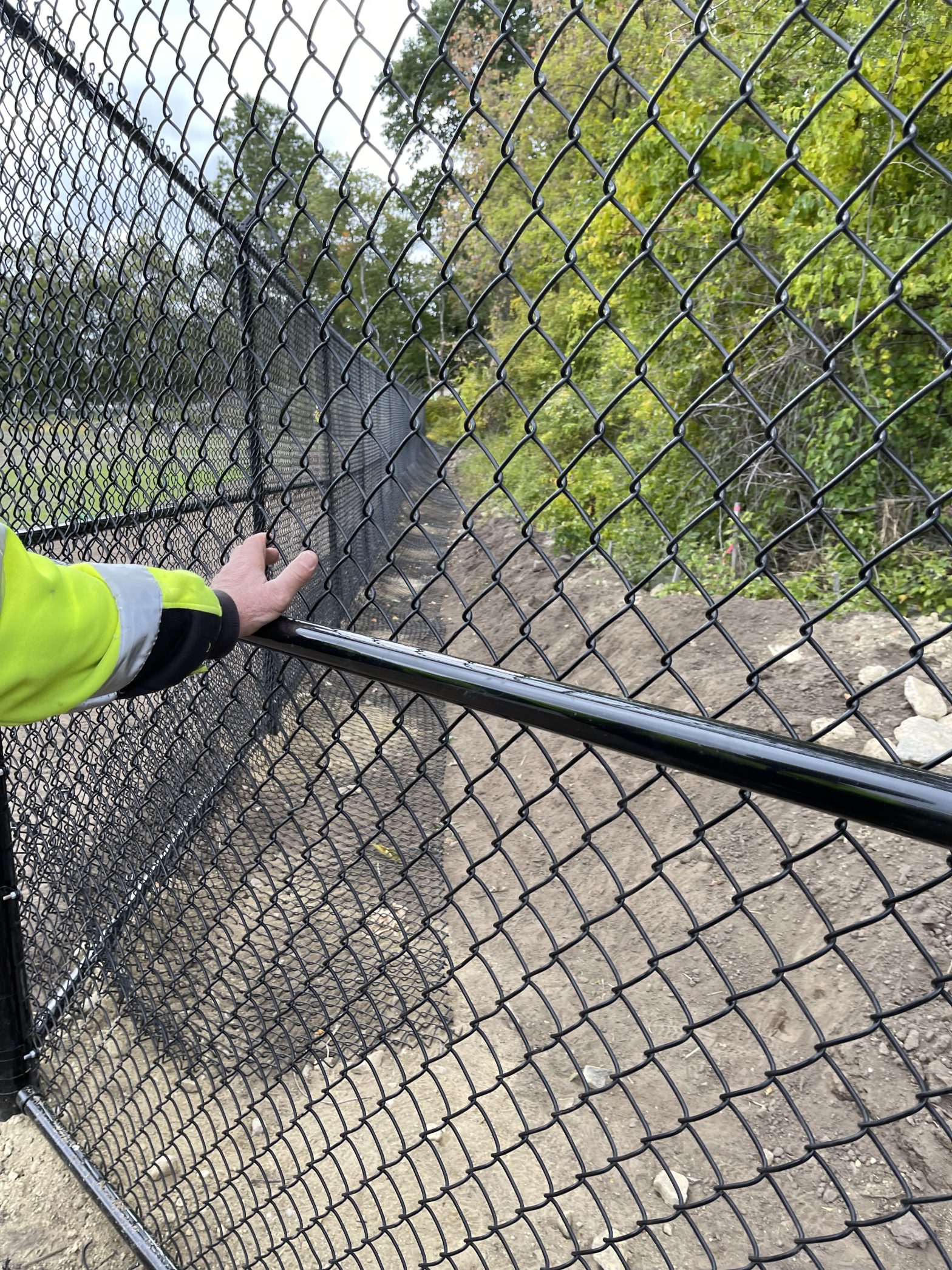
When most homeowners think about chain link fencing, they usually think about cost first. But that is not really where chain link shows its value. In many cases, the real advantage is where it works best on a property.
Some parts of a yard need privacy. Some need curb appeal. Others simply need a fence that can define space, preserve visibility, handle access, and cover more ground without unnecessary expense. That is where chain link often makes the most sense.
For many properties in Northwest Indiana, chain link is not the right choice everywhere. But it can be the right choice in the right places, especially on large lots, side yards, and utility boundaries where function matters more than decorative impact.
Why Placement Matters as Much as Fence Material
A fence should not be chosen by material alone. It should also be chosen by how that part of the property is actually used.
The best fence for a front yard focal area may not be the best fence for a rear property line. A fence that works well around a patio may not be the smartest solution for a side-yard access path or a utility edge.
That is why placement matters so much.
The right fence choice depends on things like:
- how visible the area is
- how much space needs to be enclosed
- whether privacy is important
- whether access needs to stay easy
- whether the goal is decorative or functional
- how often the fenced area is used
This is where chain link stands out. It tends to perform best in areas where the fence needs to do a job clearly and efficiently.
Why Chain Link Often Makes Sense on Large Lots
Large lots create a different kind of fence decision.
When a property has more ground to cover, fence material choices become more about practicality. A homeowner may need a fence that can define boundaries, secure space, and hold up well across a longer perimeter without making the project unnecessarily expensive or visually heavy.
That is one of the situations where chain link often works very well.
On large lots, chain link can be a smart choice because it helps homeowners:
- cover more linear footage more efficiently
- define boundaries clearly
- maintain visibility across open space
- create containment for pets or backyard use
- avoid the heavier look of a full solid fence across the entire property
- keep the project more realistic from a cost standpoint
This is especially true when the goal is not full privacy, but rather a secure and functional enclosure.
When large-lot owners benefit most from chain link
Chain link often works best on large lots when it is being used for:
- rear property lines
- oversized backyard boundaries
- side property runs
- dog containment areas
- open residential lots where visibility is still useful
- practical perimeter definition rather than decorative enclosure
In these situations, chain link does what it is supposed to do without forcing the homeowner to overbuild areas that do not need a more premium fence style.
Why Chain Link Works Well in Side Yards
Side yards are one of the most practical places for chain link fencing, but they are often overlooked in fence planning.
That is because side yards usually serve a more functional purpose than a design-focused one. They are often used for access, storage, utility movement, dog runs, trash enclosure, or as a passage between the front and rear yard.
In these spaces, homeowners often need a fence that:
- secures the area
- keeps access simple
- does not make the space feel too closed in
- allows visibility through a narrow section
- works well along long, straight runs
- handles day-to-day use without too much complexity
Chain link tends to fit those needs well.
Why visibility matters in a side yard
A side yard can feel tight very quickly if the fencing is too visually heavy.
One of the advantages of chain link in a side-yard setting is that it still defines the area without making the space feel boxed in. That can make a big difference in narrow access corridors or secondary use areas where homeowners want security without losing openness.
For homeowners using part of the side yard as a dog run or utility access space, chain link often gives the right balance of containment and visibility.
Why Utility Boundaries Are One of the Best Fits for Chain Link
Some parts of a property are simply more functional than decorative. These are often the best places for chain link.
Utility boundaries may include:
- the edge of a storage area
- a section near equipment
- rear lot lines
- work areas
- side utility zones
- secondary property divisions
- service access sections
In these locations, the purpose of the fence is usually straightforward. The homeowner wants to define space, limit access, improve organization, or create separation without turning the fence into a visual centerpiece.
That is exactly where chain link tends to work well.
A utility boundary usually does not need the same visual treatment as a patio enclosure or front-yard fence line. It needs a fence that is practical, durable, and easy to integrate into the rest of the property layout.
Where Chain Link Usually Makes Less Sense
A useful fence guide should also be honest about where chain link is not always the best fit.
Chain link may make less sense in areas where the main priority is:
- strong curb appeal
- a decorative front-yard look
- full backyard privacy
- a premium visual finish
- blocking views completely
- creating a solid screening barrier
In those parts of the property, another material may do a better job.
That does not mean chain link is a poor choice. It just means some property zones call for a different type of fence based on what the homeowner wants the space to do.
How to Plan Chain Link Layout on These Parts of a Property
Even when chain link is the right material, layout still matters.
A fence that covers the right parts of the property in the wrong way can still become inconvenient or unattractive. Good planning is what makes the fence feel intentional instead of purely basic.
When planning chain link for large lots, side yards, or utility boundaries, it helps to think about:
Gate placement
The gate should support how the property is used every day. Think about walking paths, equipment access, and whether the area needs one gate or more than one.
Corner transitions
Long fence runs and turning points should feel clean and well aligned. Poor transitions can make the layout look less finished, even when the material itself is fine.
Grade changes
If the property includes slope or uneven areas, the fence should be planned to follow the ground properly without awkward gaps or inconsistent lines.
Access needs
A side yard or utility area may need to stay easy to move through. The fence should help organize the property, not make everyday tasks harder.
Visual balance
Even on functional boundaries, layout affects appearance. A simple chain link fence usually looks better when it follows the property cleanly and feels consistent from section to section.
Sometimes a Mixed Fence Strategy Makes More Sense
One of the smartest fence decisions a homeowner can make is realizing that not every part of the property needs the same material.
In many cases, a mixed fence strategy works better than trying to use one fence type everywhere.
That might mean:
- using a more decorative material in highly visible areas
- using chain link on rear or side boundaries
- placing privacy fencing near patios or gathering spaces
- using chain link where access, visibility, or coverage matters most
- choosing upgraded chain link only on sections that are easier to see
This kind of approach often gives homeowners the best overall result. It keeps the more visible or design-sensitive parts of the property looking the way they want, while still using chain link where it makes the most practical sense.
What Northwest Indiana Property Owners Should Think About Before Installing Chain Link
Before moving forward with chain link, property owners should step back and look at how the site actually functions.
Ask questions like:
- Is this area mainly visible or mainly practical?
- Do I need privacy here, or just boundary definition?
- Will this part of the property need easy access?
- Is this section open, narrow, or utility-focused?
- Does this run cover a large amount of footage?
- Will this fence be used more for containment, separation, or organization?
- Would another material make more sense in higher-visibility zones?
For many homeowners in Northwest Indiana, chain link works best when it is used strategically rather than automatically. The better the fence matches the purpose of each part of the yard, the better the result usually feels.
Final Thoughts on Where Chain Link Fence Works Best
Chain link is often underestimated because people focus too much on how it looks in general and not enough on where it performs best.
On large lots, it helps cover more ground practically. In side yards, it provides security and access without making narrow spaces feel too closed in. Along utility boundaries, it offers clear, dependable separation where function matters more than appearance.
The smartest fence plans are not always about choosing one material for the entire property. They are about using the right material in the right places.
Need Help Planning the Right Fence Layout?
If you are trying to decide where chain link makes the most sense on your property, LeLaren Fence Company can help you plan a layout that fits your lot size, access needs, and the way each part of your yard is actually used.
We work with homeowners across Northwest Indiana to install fencing that makes sense for real properties, whether that means chain link along rear boundaries, a practical side-yard enclosure, or a mixed-material approach that balances function and appearance.
If you are ready to plan a fence that fits your property better, contact LeLaren Fence Company to discuss the best layout for your chain link fencing project.